
A SCADA system provides real-time monitoring, control, and data analysis across industrial processes.

A SCADA (Supervisory Control and Data Acquisition) system is a is a centralised solution that allows operators to monitor, control and analyse industrial processes from a single point. Sensors collect information from equipment, while Programmable Logic Controllers (PLCs) or Remote Terminal Units (RTUs) process field data and control connected devices. Communication networks transfer this information to SCADA servers, where operators can view system conditions and respond through a Human-Machine Interface (HMI).
A SCADA system brings several hardware and software components together to create a centralised view of industrial operations. Each component has a specific role in collecting information, controlling equipment and making process data accessible to operators.
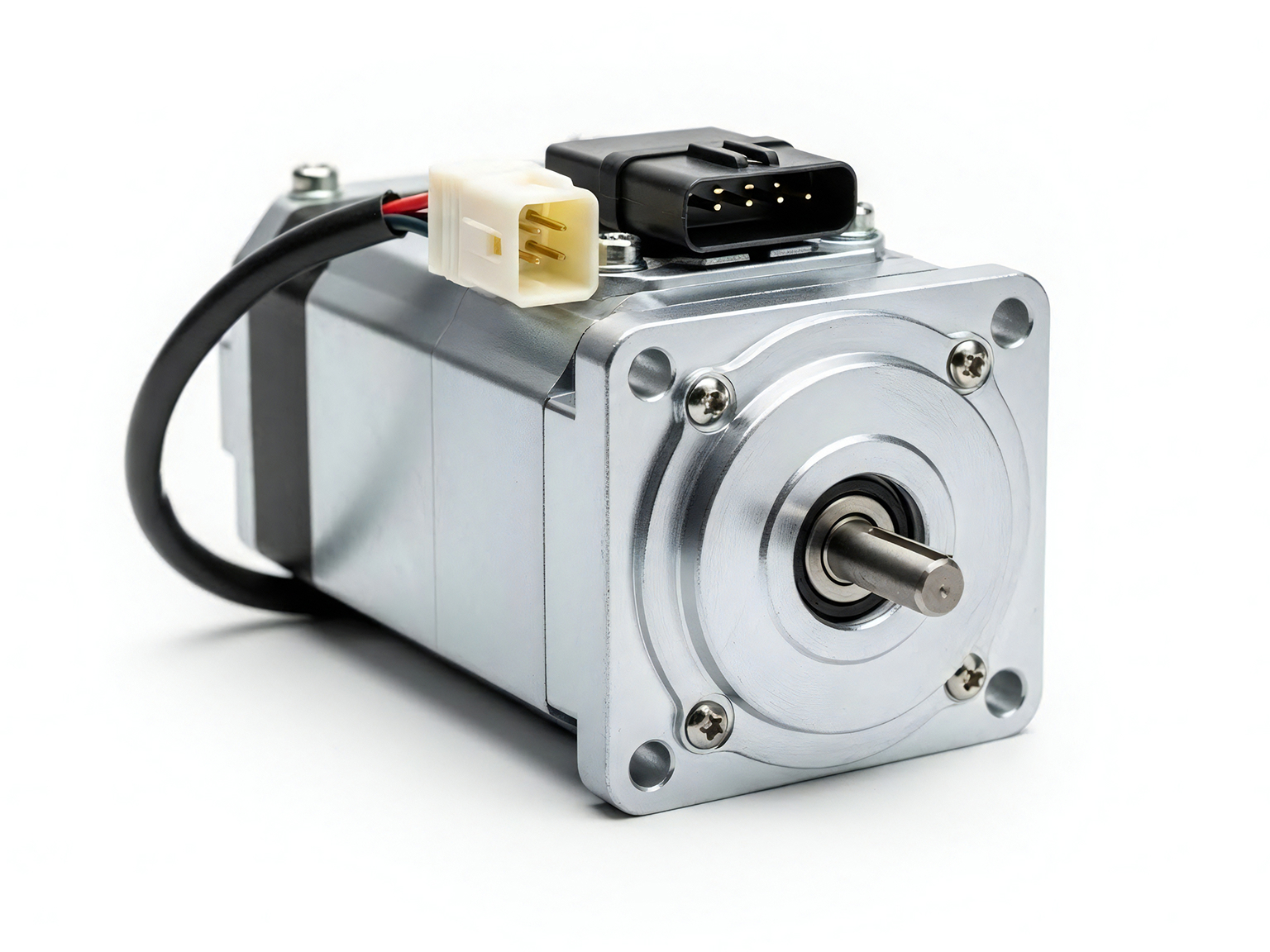
Sensors measure operating conditions such as temperature, pressure, flow, level or equipment status. Actuators respond to control commands by performing physical actions, such as opening a valve, starting a pump or adjusting machinery.
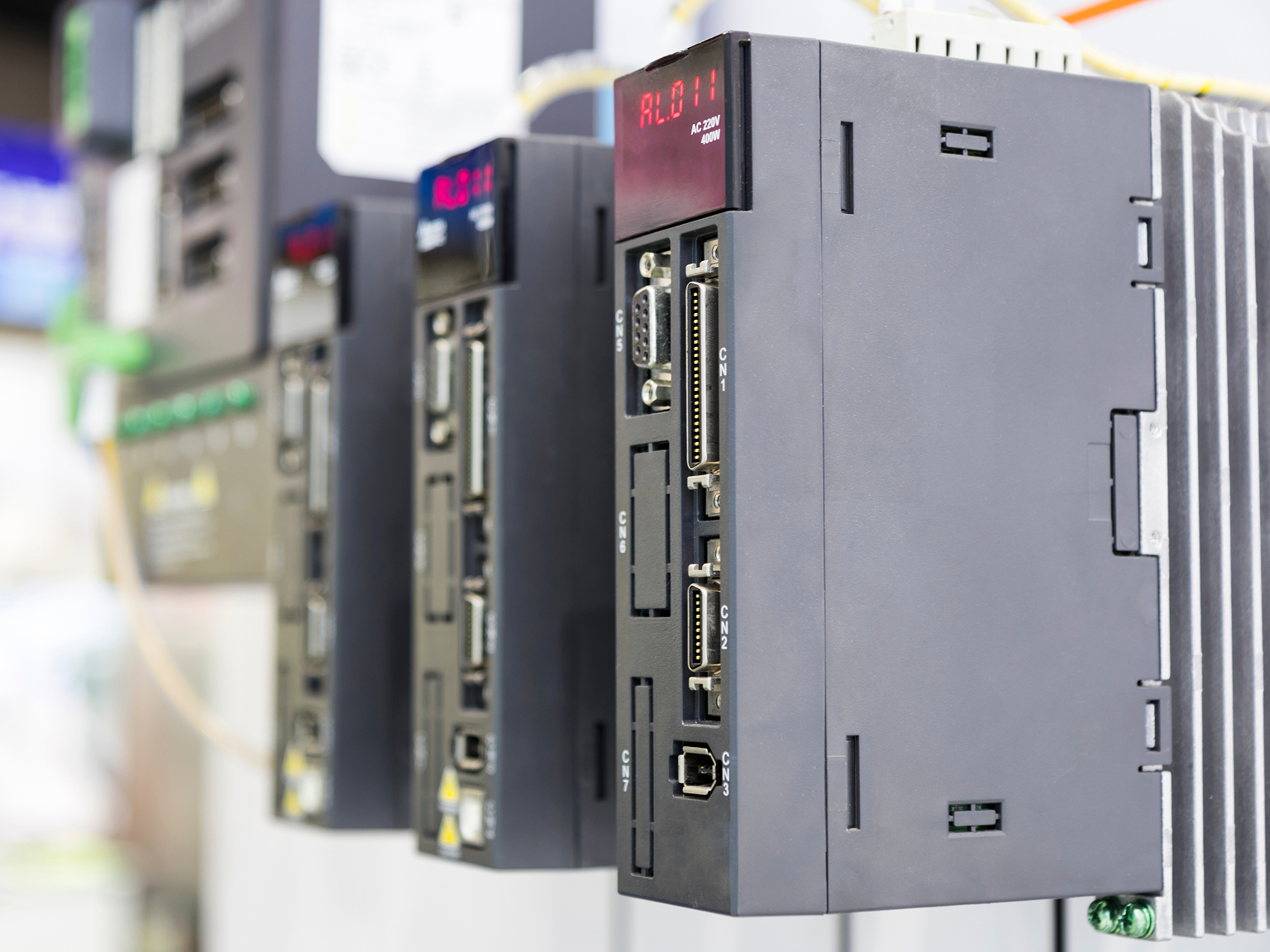
RTUs and PLCs connect field equipment to the wider control system. They collect information from sensors, execute control functions and send operating data to the central SCADA platform. PLCs are commonly used for local machine and process control, while RTUs are often suited to equipment located across distributed sites.

Communication networks carry data between field devices, controllers and the central SCADA platform. Depending on the application, these connections may use industrial Ethernet, fieldbus, cellular or other supported communication technologies.
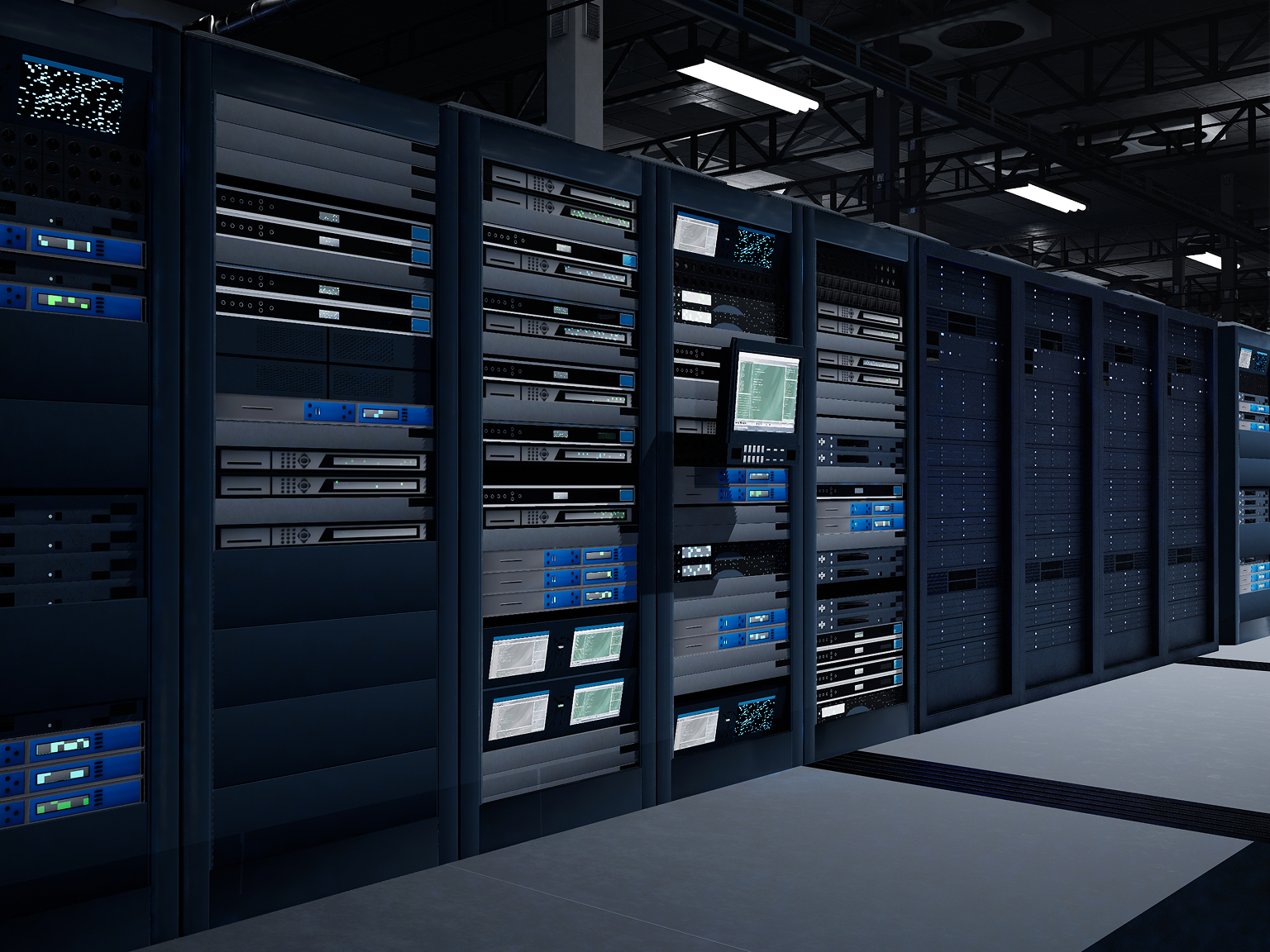
The SCADA server, sometimes referred to as the Master Terminal Unit (MTU), brings information from connected PLCs and RTUs into one central location. It manages supervisory information, alarms, historical data and operator commands so that the overall process can be monitored efficiently.
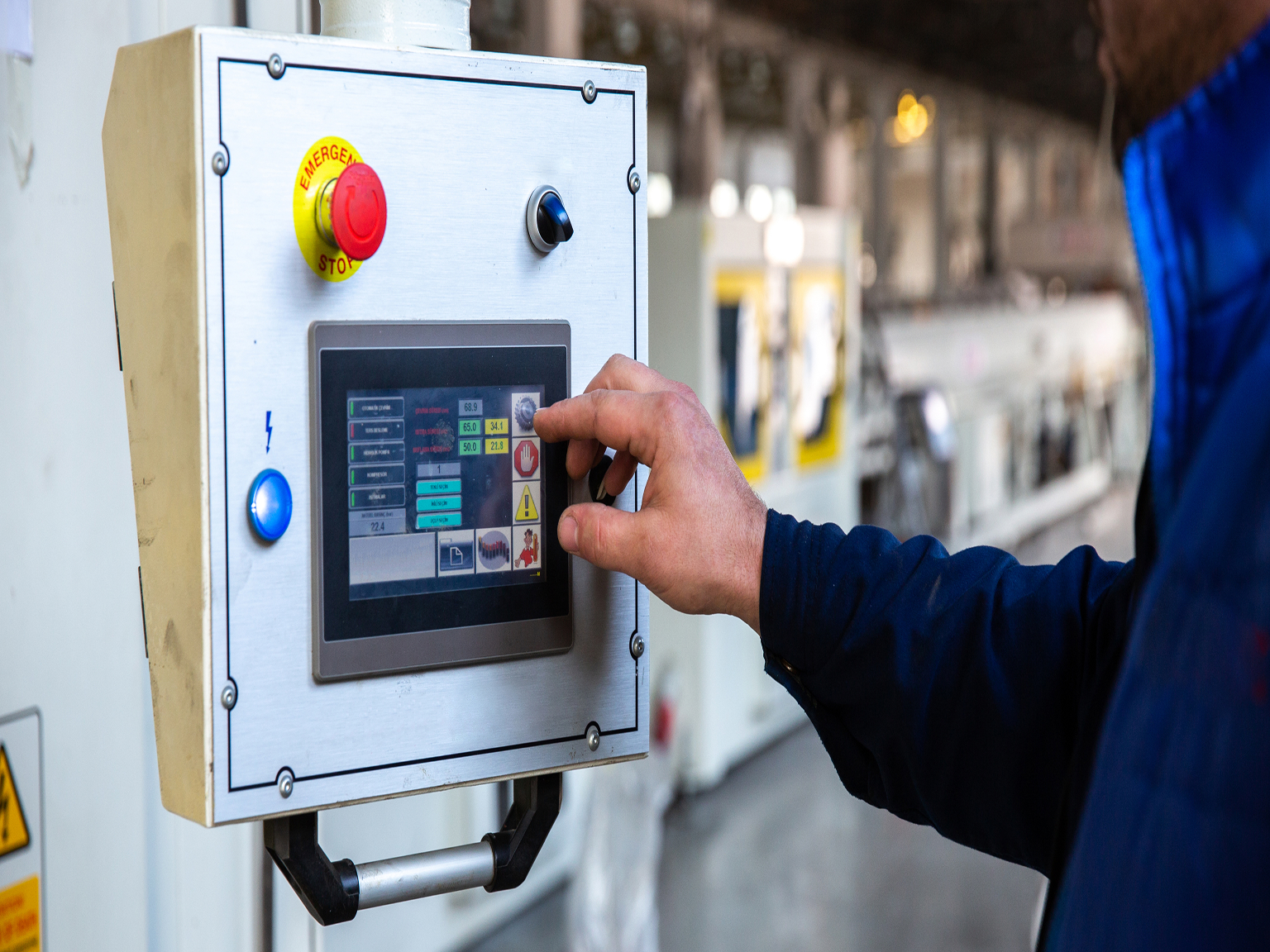
The HMI presents system information through graphical screens that operators can understand quickly. It can display equipment status, alarms, process values and trends while allowing authorised users to issue appropriate supervisory commands.
SCADA systems enhance operational visibility, improve decision-making, and support safer, more efficient management of industrial processes.
SCADA provides instant access to system performance data, allowing operators to detect issues early and respond quickly.
Automated data collection and centralised control reduce manual tasks, streamline workflows, and optimise resource usage.
Historical and real-time data help identify trends, support predictive maintenance, and improve long-term planning.
Continuous monitoring and automated alerts minimise downtime, prevent failures, and maintain safer operating conditions.
SCADA platforms can be expanded and customised easily, making them suitable for both small facilities and large industrial networks.
We provide a range of reliable SCADA solutions designed to support different operational needs, from simple control tasks to advanced automation requirements.
A powerful all-in-one platform that combines an intuitive interface, fast processing, and extensive communication options for complex industrial applications.
A versatile PLC-HMI series known for its durability and flexibility, ideal for medium-scale automation projects that require stable control and customisation.
A compact and cost-effective PLC-HMI solution suited for small to mid-sized systems that need touchscreen control and basic automation functions.
A budget-friendly controller designed for simple automation tasks, offering keypad operation and essential PLC capabilities in a small footprint.
As industrial systems become increasingly connected, cybersecurity has become an important consideration when designing or upgrading a SCADA system. Appropriate safeguards help protect operational data and control functions while reducing the risk that security incidents disrupt production or critical processes.
Separating operational technology networks from general business networks and unnecessary external connections can limit exposure. Firewalls, secure gateways and defined network zones can also help control how information moves between different parts of the system.
Access should be limited according to each user’s responsibilities. Unique accounts, appropriate permission levels, strong authentication and secure remote-access controls help prevent unauthorised changes to critical SCADA functions.
Where supported by the selected equipment and communication architecture, encryption can protect data and credentials while they travel across networks. Secure protocols and encrypted remote connections are particularly important when information moves beyond the local industrial network.
SCADA software, operating systems, network equipment and connected devices should be reviewed for relevant security updates. Updates should be assessed and tested before deployment to avoid unnecessary interruption to operational systems while reducing exposure to known vulnerabilities.
Modern SCADA systems are becoming more connected, flexible and data-driven. YT Automation supports this changing automation environment through connected controllers, industrial communication technologies and IIoT solutions that allow operational information to be used more effectively.
Industrial Internet of Things (IIoT) integration extends operational data beyond individual machines and control panels. Connected platforms such as Unitronics UniCloud can make PLC data available through remote dashboards, helping businesses gain broader visibility into equipment and process performance.
Cloud and hybrid architectures can extend data access, reporting and remote monitoring while keeping time-critical control functions within the operational environment. The right architecture depends on connectivity, security, availability and application requirements.
AI-assisted and advanced analytics are increasingly being used to identify patterns within operational data. When supported by sufficient reliable data, these tools can help identify unusual behaviour, anticipate maintenance requirements and support more informed operational decisions.
Modern automation systems increasingly rely on interoperable communication between controllers, HMIs, SCADA platforms and higher-level systems. Technologies and protocols such as industrial Ethernet, OPC UA and MQTT can support more efficient data exchange when matched correctly to the application.
SCADA systems are used across various industries to monitor operations, improve efficiency, and maintain reliable control of critical processes.
SCADA enables real-time oversight of machinery, production lines, and utilities, ensuring smooth operations and early detection of equipment issues.
Utilities use SCADA to track flow rates, tank levels, pump performance, and treatment processes, supporting safe and efficient plant operations.
SCADA helps manage load distribution, monitor substations, and detect faults quickly to maintain consistent and reliable power supply.
From HVAC systems to lighting and security, SCADA offers centralised monitoring for improved comfort, safety, and energy efficiency.
Implementing a SCADA system requires more than selecting individual components. Compatibility, communication, configuration and long-term support should be considered together so that the completed system meets both current operating requirements and future needs.
The process begins by understanding the application, existing automation environment, required monitoring points, operational priorities and future expansion plans. Communication, reliability and security requirements can also be identified at this stage.
Suitable SCADA, PLC, HMI, communication and supporting components are selected according to the project requirements. Where wider system integration is required, YT Automation works with appointed certified system integrators and project partners to support a coordinated automation solution.
Selected automation products are configured to suit the intended application and communication requirements. Attention is given to system compatibility and the way individual components need to operate together within the overall control environment.
During deployment, configured equipment and oftware are brought into the wider automation environment and tested as part of the project. We provide product and application support while working with the relevant system integrator or project team where required.
Training helps operators and technical teams understand how to use, configure and troubleshoot the selected automation technologies. We provide product training covering areas such as PLC programming, HMI operation, communication and system maintenance.
Support continues after implementation through troubleshooting, technical guidance and assistance with maintaining system performance. This helps businesses respond more effectively when operating requirements, equipment or configurations change over time.
YT Automation supports customers beyond product supply. With more than 15 years of industrial automation experience, our team combines product knowledge, configuration services, technical support and established industry partnerships to help customers build reliable automation environments.
Our experience covers automation requirements across industries such as water and wastewater, building automation, food processing and other industrial applications. This helps us assess products and configurations according to the practical requirements of each application.
We work with established industrial automation brands including Unitronics, M2I and Helmholz. This gives customers access to SCADA, PLC, HMI, IIoT, industrial communication and supporting automation technologies within a broader product portfolio.
Automation requirements vary according to process complexity, existing equipment, communication needs and future expansion. Our configuration services help ensure selected components work cohesively within new or existing automation frameworks instead of applying the same setup to every project.
From product selection and configuration to training and ongoing technical guidance, YT Automation provides support throughout the automation lifecycle. By working closely with certified system integrators and project partners where required, compatibility, connectivity, security and long-term operational reliability can be considered together.
A SCADA system monitors and controls industrial processes in real time. It provides operators with actionable data to ensure safety, efficiency, and smooth operations. If you require tailored automation support, our automation company in Singapore can advise on the most suitable system.
Yes. Modern SCADA platforms are highly scalable, making them suitable for SMEs and large industrial plants. They can be customised to match operational complexity and budget needs.
A PLC controls machinery and executes automation logic, while SCADA provides the interface for monitoring, visualising data, and managing entire processes. Both work together to form a complete automation solution.
Choosing the right SCADA system depends on system size, required features, communication needs, and long-term scalability. For personalised guidance or to discuss your project, feel free to contact us.
Yes, provided the required interfaces and communication protocols are compatible. A PLC can provide local process or machine control while sending operating information to the SCADA platform. An industrial PC can also provide a robust computing platform for SCADA, visualisation or industrial data-processing applications, depending on the system architecture.
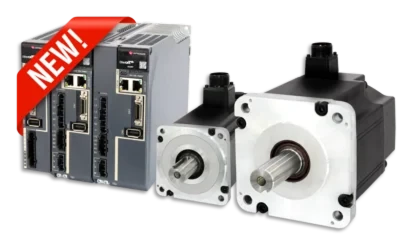
Yes. In a suitably configured automation network, SCADA can display operating information from equipment using AC servo drives, typically through the PLC or other controller. The servo drive and controller continue to handle the time-critical motion functions, while SCADA provides higher-level monitoring, alarms, data collection and supervisory visibility.
Whether you are upgrading an existing control system or implementing a SCADA system for the first time, YT Automation can support you with suitable products, configuration, training and ongoing technical guidance. Contact us to discuss your automation requirements.
At YT Automation Singapore Pte Ltd, we offer a diverse range of automation products designed to optimize performance and enhance productivity across industries.
QUICK LINKS
SUBSCRIBE TO NEWSLETTER
Subscribe to receive inspirations, ideas, and news on your inbox.
Copyright © YT AUTOMATION SINGAPORE PTE LTD 2026. All Rights Reserved.
YT Automation
Hi there 👋 How can we help
 YT Automation