SOLUTIONS

Water Monitoring System

At YT Automation Singapore Pte Ltd, we offer a diverse range of automation products designed to optimise performance and enhance productivity across industries.

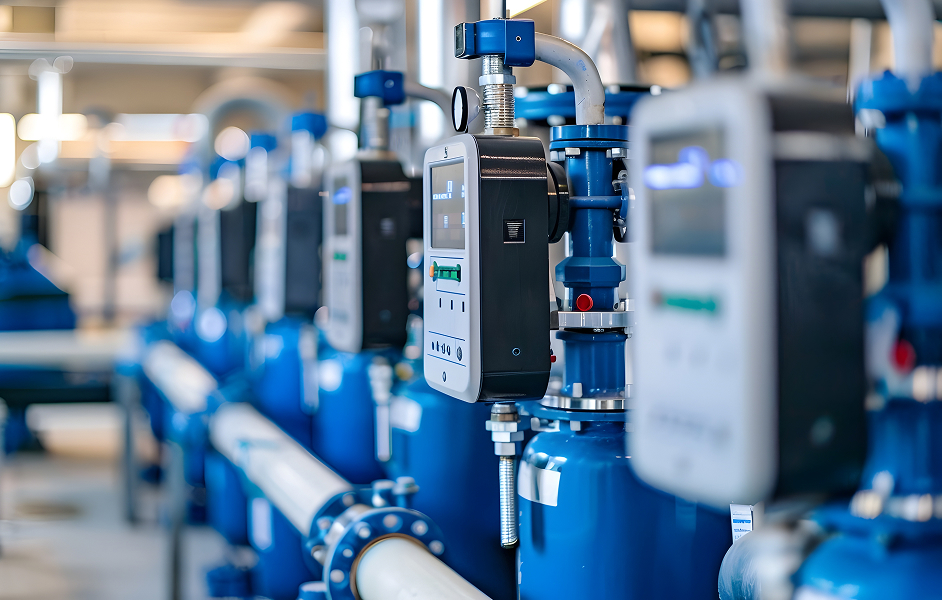
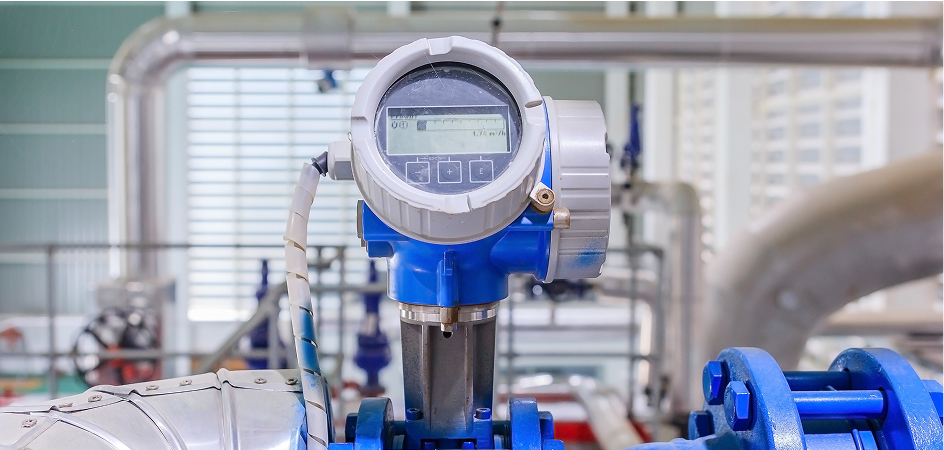
Industrial steel pipe valve and measuring instrument in technology

We Provide Solutions for a Water Monitoring System

To provide comprehensive and intelligent water monitoring solutions by integrating Unitronics Automation Products and UniCloud technology. The objective is to empower clients with real-time monitoring, precise data analysis, and remote management capabilities to ensure efficient water resource management. By leveraging automated alerts, predictive maintenance, and data-driven insights, the company strives to help clients reduce water wastage, maintain compliance with regulatory standards, and promote sustainable water usage practices.

View our success stories here.

unicloud_img
UniCloud AR logo
vision_img
unistream_img
Engineer using tablet to program Industry 4.0 robot.jpg

What is a Water Monitoring System?

A water monitoring system is a digital solution that tracks water usage, flow rates, pressure, and quality across a facility. Using sensors, controllers, and data loggers, it provides real-time insights to detect leaks, prevent wastage, and ensure system efficiency.

In Singapore, where water sustainability is a national priority, such systems are increasingly adopted in commercial, industrial, and municipal settings to support PUB guidelines, reduce utility costs, and improve resource management.

Why Water Monitoring Is Critical in Singapore

For industrial plants, commercial facilities and public infrastructure operators, water use is increasingly an operational issue that requires accurate and continuous oversight. PUB projects that Singapore’s total water demand could almost double by 2065, with the non-domestic sector expected to account for more than 60% of demand, compared with about 55% currently. As industrial activity and water requirements continue to grow, a water monitoring system gives operations and facility teams the data needed to track consumption, identify abnormal conditions and make informed decisions about water efficiency.

This direction is reflected in PUB’s assessment of Singapore’s industrial water requirements, which highlights the increasing importance of water efficiency, recycling and resource resilience for businesses. For organisations responsible for plants, buildings and infrastructure, consistent monitoring can support these efforts by making water use and system conditions visible before losses or equipment issues become more difficult to manage.

Scarcity of Water Resources and High Water Costs

With limited freshwater sources, Singapore depends heavily on desalination and NEWater to meet demand, making water a high-value utility. Water monitoring helps manage consumption more effectively, reducing waste and keeping operational costs in check.

National Water-Saving Initiatives

Government initiatives like PUB’s Active, Beautiful, Clean (ABC) Waters Programme encourage responsible water use and long-term sustainability. Implementing a water monitoring system helps facilities align with these initiatives.

Need for Leak Prevention and Consumption Tracking

Continuous data from flow sensors and pressure monitors helps detect leaks early, prevent system losses, and track consumption trends to inform water-saving strategies.

Our Water Monitoring Capabilities

At YT Automation, we offer integrated water monitoring system solutions designed to improve visibility, reduce waste, and support sustainability across facilities.

Flow, Pressure & Usage Monitoring

Track real-time data from flow meters and pressure sensors to monitor system performance, detect anomalies, and optimise water usage.

Leak Detection & Alerts

Identify abnormal usage patterns and pressure drops instantly. Automated alerts enable early leak detection and quick response to prevent costly water loss.

Water Quality Monitoring

Measure key indicators such as turbidity, pH, and conductivity to ensure water quality meets regulatory and operational standards.

Key Components of a Water Monitoring System

A water monitoring system depends on several components working together. Each has a specific role, from collecting readings in the field to processing the data and presenting information that operations teams can act on when conditions change.

Programmable Logic Controller (PLC)

The PLC acts as the central controller, receiving readings from connected sensors and field instruments, processing programmed monitoring logic and initiating alarms or control actions when defined conditions are met. Unitronics offers all-in-one PLC and HMI options, including Vision and selected UniStream configurations, which can combine control and visualisation functions within a compact automation platform.

Selecting the right PLC controller depends on factors such as the number and type of I/O points, communication requirements and future expansion. These considerations determine how much field data the system can handle and how readily additional monitoring points can be incorporated later.

Sensors and Field Instruments

Sensors and field instruments provide the measurements that allow the system to understand actual water conditions. Depending on the application, these may include flow meters, pressure transmitters, level sensors and instruments for parameters such as pH, conductivity or turbidity.

Their location is equally important. Placing instruments at appropriate points across a plant, building or distribution network allows operators to compare readings, recognise abnormal changes and identify potential leaks or process issues more effectively.

Data Display and Remote Access

Monitoring data needs to reach the people responsible for acting on it. An HMI can provide operators with live readings, equipment status and alarm information at the control panel, while connected platforms can extend visibility beyond the immediate installation.

For compatible Unitronics systems, UniCloud can provide dashboards for accessing and analysing PLC application data remotely. This can be particularly useful where facility teams oversee several systems or locations and require a more centralised view of operating conditions.

Connectivity and Power

Reliable communications and stable power keep the PLC, field instruments and monitoring interfaces operating as one system. The appropriate wiring, I/O connections and network architecture depend on the equipment used, the distances involved and the communication requirements of the facility.

Planning this foundation carefully helps maintain continuous data exchange and reduces gaps in monitoring. For critical facilities and infrastructure, dependable connectivity is particularly important because operators rely on timely information to recognise abnormal conditions and respond appropriately.

Applications of Water Monitoring Systems

Our water monitoring solutions support efficient management across a wide range of sectors, helping facilities meet regulatory standards and sustainability goals.

Industrial Facilities

Monitor water usage in manufacturing processes, cooling systems, and equipment cleaning to reduce waste and support operational efficiency.

Water Treatment Plants

Ensure consistent flow, pressure, and water quality throughout treatment processes with real-time monitoring and system diagnostics.

Commercial Complexes

Track water consumption across multiple tenants or systems to support fair and accurate billing. This also enables early leak detection and contributes to overall water savings.

Agriculture & Green Building Systems

Support irrigation control, rainwater harvesting, and greywater reuse by monitoring flow rates, tank levels, and water quality metrics.

Public Infrastructure

Improve system resilience in public facilities, such as schools, transport hubs, and parks, by detecting leaks and ensuring consistent water supply.

Key Benefits of Our Water Monitoring System

Our water monitoring system solutions are designed to help you conserve resources, cut costs, and operate with greater control and confidence.

Prevent Water Loss and Reduce Utility Bills

Detect leaks early and monitor consumption patterns to minimise waste and lower monthly water expenses.

Improve Operational Reliability and Compliance

Maintain system performance and meet regulatory requirements with continuous monitoring and timely alerts.

Enable Predictive Maintenance

Use trend data to identify early signs of wear or malfunction, allowing for proactive servicing before failures occur.

Gain Transparency and Control with Remote Monitoring

Access real-time data from any location through connected dashboards, supporting informed decision-making and faster response times.

Frequently Asked Questions About Water Monitoring Systems

Can a water monitoring system be installed on existing piping?

Yes. Most monitoring systems can be retrofitted onto existing piping with minimal disruption, using clamp-on or inline sensors depending on your setup.

Depending on the system setup and application, you can monitor key parameters such as flow rate, pressure, temperature, turbidity, pH, conductivity, and total dissolved solids.

Yes. At YT Automation, our solutions are designed to be scalable. This enables centralised monitoring and control across multiple buildings or locations from a single dashboard.

Absolutely. Our water monitoring system can be configured to trigger real-time alerts for leaks, pressure drops, or abnormal usage—enabling timely intervention and reduced water loss.

Maximise Water Efficiency with Our Monitoring Solutions

Whether you’re managing a commercial facility, industrial plant, or public infrastructure, our water monitoring systems give you the tools to reduce waste, detect issues early, and optimise usage with confidence.

Ready to Take Industrial Automation to the Next Level?

Explore how YT Automation’s integrated solutions can enhance control, boost productivity, and support smarter, more efficient operations across your facility.

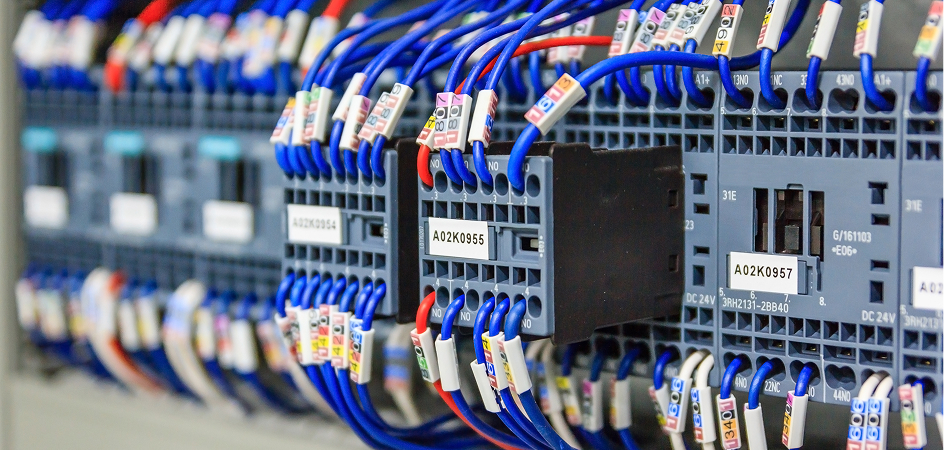
Innovative BH technology machine with electronics