
Enhance connectivity and efficiency across your automation systems with our range of industrial communication solutions. Designed to ensure seamless data exchange, reliability, and control in demanding industrial environments.
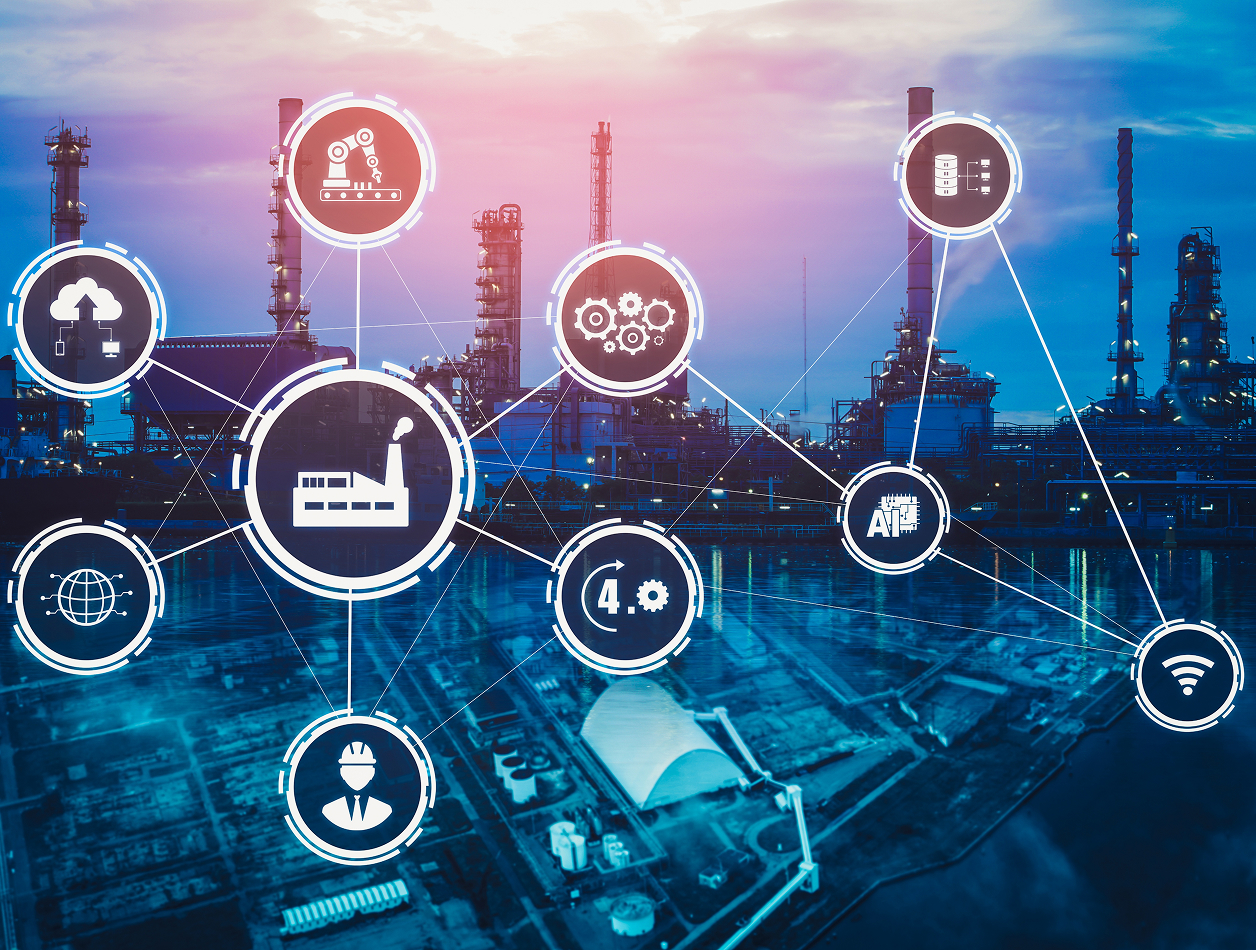
Industrial communications form the nervous system of an automation environment, allowing equipment and control systems to exchange the information needed to operate together. From a technical perspective, this involves transmitting process data, status information and control commands through industrial networks and communication protocols. In practical terms, it allows a change detected by one device to be communicated quickly to the equipment or system that needs to respond.
Sensors, actuators, PLCs, remote I/O, HMIs, drives, Industrial PCs and SCADA platforms can all depend on industrial communication. Connecting these devices reliably gives operators greater visibility across their processes while helping machines and control systems coordinate their actions efficiently.
Industrial communication is essential for businesses seeking to optimise efficiency, minimise downtime, and achieve seamless integration across automated systems. It forms the backbone of smart manufacturing and industrial IoT environments.
By enabling real-time data exchange between devices and systems, industrial communication streamlines workflows and enhances production accuracy.
Industrial communication ensures stable connections for monitoring system performance and detecting issues early, reducing the risk of costly downtime.
It allows different machines, controllers, and software platforms to work cohesively, ensuring smooth coordination across the entire automation network.
With flexible communication architectures, companies can easily upgrade or expand their automation infrastructure without major disruptions.
Different automation environments use different communication protocols according to factors such as equipment compatibility, data requirements, response times and existing infrastructure. Understanding these protocols can help businesses connect new and existing technologies without introducing unnecessary complexity.
Fieldbus technologies provide established methods for exchanging information between controllers and field-level equipment such as sensors, actuators, drives and remote I/O.
Modbus is widely used to exchange data between PLCs, meters, drives, sensors and other industrial devices. Modbus RTU and ASCII are commonly used over serial connections, while Modbus TCP carries Modbus communications over TCP/IP and Ethernet networks. Its relatively straightforward structure makes it useful in factory automation, building systems, energy monitoring and water applications.
PROFIBUS is an established fieldbus standard used to connect controllers with distributed field equipment. It is commonly deployed in factory and process automation applications involving remote I/O, drives, instruments and other industrial devices, including installations where existing PROFIBUS equipment remains in service.
CAN Bus provides reliable communication between distributed electronic controllers and devices. Originally developed for vehicle applications, CAN-based networks are also used in machinery, motion systems, mobile equipment and distributed automation where robust communication between controllers, sensors and actuators is required.
Industrial Ethernet technologies combine Ethernet-based networking with communication functions designed for automation. They are commonly used where systems require high-speed data exchange, diagnostics and coordination between multiple industrial devices.
PROFINET is an Industrial Ethernet standard used for factory and process automation. It connects PLCs, remote I/O, drives and other field devices while supporting real-time communication, diagnostics and higher-level TCP/IP traffic. It is commonly found in production machinery, automated lines and process control environments.
EtherNet/IP uses the Common Industrial Protocol over standard Ethernet and TCP/IP technologies. It supports communication between controllers, I/O devices, drives and other automation equipment, making it widely applicable to manufacturing and machine automation environments.
EtherCAT is designed for high-speed, real-time industrial communication with precise device synchronisation. These characteristics make it particularly suitable for motion control, robotics, high-speed machinery and other applications where multiple devices must respond in tightly coordinated sequences.
Modern industrial communications increasingly extend beyond machine-level control. Interoperability and messaging technologies can make operational information available to SCADA, IIoT, enterprise and remote monitoring platforms, while specialised protocols support distributed infrastructure.
OPC UA provides a standardised way for equipment and software from different vendors to exchange structured industrial information. It can connect devices and control systems with SCADA, manufacturing software, edge systems and cloud applications, making it particularly useful where interoperability across different levels of an automation environment is required.
MQTT is a lightweight publish-and-subscribe messaging protocol well suited to IIoT applications. Instead of devices communicating directly with every other system, information is published to a broker and made available to authorised subscribers. This makes MQTT useful for sending machine and PLC data to dashboards, remote monitoring platforms and cloud-based applications.
DNP3 is an industrial communication protocol developed for reliable data exchange between control centres, RTUs and intelligent electronic devices. It is most closely associated with electricity transmission and distribution but is also used in water and wastewater, transportation and other geographically distributed infrastructure. Protocol and hardware compatibility should be confirmed when DNP3 is required for a particular project.
We offer a comprehensive range of industrial communication solutions designed to support seamless connectivity, efficient data transfer, and reliable automation across various industrial systems.
Enable high-speed, stable, and secure network communication between industrial devices for smooth data transmission in harsh environments.
Convert serial data to Ethernet signals, allowing legacy equipment to integrate easily into modern network infrastructures.
Facilitate communication between different industrial protocols, ensuring compatibility and interoperability between diverse systems.
Provide flexible and cable-free connectivity for remote monitoring, control, and data acquisition in industrial settings.
Bridge communication between various Fieldbus systems, streamlining data flow across complex automation networks.
Collect and transmit real-time input and output signals from sensors and actuators to central controllers for improved process control.
Enhance industrial PCs and controllers with reliable, high-performance connectivity for data-intensive automation applications.
Well-planned industrial communications do more than connect individual devices. They can simplify the movement of information across an automation environment while improving the reliability and adaptability of the wider operation.
Compatible communication technologies allow controllers, field devices and higher-level systems to exchange information without relying on isolated data sources. This gives operators and applications more consistent access to the information they need.
Reliable data transfer allows machines and controllers to coordinate processes automatically while reducing unnecessary manual checks. Faster access to status information can also help teams identify operating issues and make decisions more efficiently.
Stable industrial networks help maintain communication between equipment that depends on continuous data and control signals. Suitable network components, diagnostics and communication architecture can make faults easier to locate and reduce the risk that a single connectivity issue affects wider operations.
A well-designed network can make it easier to add machines, controllers, remote I/O and higher-level systems as operating requirements change. Protocol gateways and couplers can also help businesses integrate established equipment while introducing newer communication technologies.
Selecting compatible products and planning the network architecture early can reduce unnecessary replacement, duplicated infrastructure and integration work. Easier diagnostics and the ability to retain suitable existing equipment can also help control maintenance and expansion costs over the system lifecycle.
Industrial communication is essential across many sectors, enabling efficient automation, real-time control, and seamless data sharing between systems and devices.
Used to connect machinery, sensors, and controllers, ensuring precise coordination and process optimisation in automated production environments.
Supports reliable data transmission for monitoring, control, and maintenance of power distribution, water treatment, and renewable energy systems.
Facilitates real-time tracking, system integration, and remote monitoring for improved fleet management and logistics efficiency.
Enables intelligent control of HVAC, lighting, and security systems, contributing to energy efficiency and enhanced facility management.
A reliable industrial network depends on more than choosing individual communication products. The equipment, protocols, topology, existing infrastructure and future requirements should be considered together so that connectivity supports the wider automation system.
We begin by understanding the application, existing equipment, communication requirements and any connectivity issues that need to be addressed. This includes identifying the controllers, field devices and higher-level systems that need to exchange information.
The required communication architecture is planned around factors such as network topology, protocols, device locations, data requirements and future expansion. Where applicable, network separation and controlled access can also be considered to support secure and reliable operation.
Suitable switches, gateways, couplers, remote I/O and other communication products are selected according to the required protocols and system architecture. Our portfolio includes Helmholz Industrial Ethernet and fieldbus technologies for connecting established and modern automation networks.
Communication products are configured to work with the intended controllers and surrounding automation equipment. Our configuration support considers system compatibility and communication requirements so that individual components can operate cohesively within the wider network.
Configured communication equipment is incorporated into the automation environment and checked as part of the wider system. YT Automation provides product and integration support through the deployment process and works with relevant project partners or system integrators where required.
Our product training helps technical teams understand the selected communication equipment, configuration and network functions. This gives users greater confidence when operating, troubleshooting or making future adjustments to the system.
After deployment, we continue to provide technical guidance, troubleshooting and support for system optimisation. This helps customers address communication issues and adapt their automation environment as equipment and operating requirements change.
With more than 15 years of automation experience, YT Automation approaches industrial communications as part of the complete control environment. We support customers in connecting controllers, field devices and higher-level systems with communication technologies suited to their operating requirements.
Our experience covers automation applications across manufacturing, water and wastewater, building automation, food processing and other industrial sectors. This helps us consider communication requirements in the context of how the wider control system actually operates.
YT Automation works with established automation brands including Helmholz and Unitronics. Our Helmholz portfolio covers Industrial Ethernet, fieldbus, distributed I/O and remote connectivity technologies, while our wider product range allows communication requirements to be considered alongside PLCs, HMIs and other automation equipment.
Not every network uses the same equipment or protocol. We assess the existing infrastructure, required connections and future requirements before recommending suitable communication products and configurations. Gateways and couplers can also support integration where different industrial protocols need to work together.
Our support extends from consultation, product selection and configuration to integration, training and ongoing technical assistance. By considering compatibility, network architecture and controlled connectivity together, we help customers build automation environments that support both communication security and long-term operational reliability.
Industrial communication systems enable reliable data exchange between machines, sensors, and control systems, supporting seamless automation and efficient industrial processes. Learn more about our expertise as a leading automation company in Singapore.
Common networks include Ethernet-based systems, Fieldbus networks, and wireless communication technologies. Each are designed to meet specific industrial connectivity and performance requirements.
By enabling real-time monitoring, data collection, and control, industrial communication minimises downtime, enhances decision-making, and improves overall operational efficiency.
Our experts can assess your requirements and recommend suitable products tailored to your system setup. Contact us for professional advice and support.
Whether you are upgrading an existing network, connecting systems that use different protocols or building a new automation environment, YT Automation can support you with suitable industrial communications products, configuration and technical guidance. Contact us to discuss your connectivity requirements.
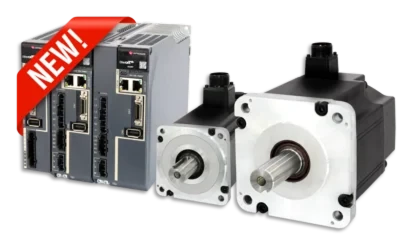
At YT Automation Singapore Pte Ltd, we offer a diverse range of automation products designed to optimize performance and enhance productivity across industries.
QUICK LINKS
SUBSCRIBE TO NEWSLETTER
Subscribe to receive inspirations, ideas, and news on your inbox.
Copyright © YT AUTOMATION SINGAPORE PTE LTD 2026. All Rights Reserved.
YT Automation
Hi there 👋 How can we help
 YT Automation